

Natural Pain Relief During Pregnancy: Chiropractic Options

Pregnancy brings excitement, anticipation, and plenty of change. It can also bring muscle tension, pelvic pressure, and a back that complains by the end of the day. If you are hoping to limit medication, you are not alone. Many moms look for natural pain relief during pregnancy that supports their changing body without extra worry.
You have real options. Prenatal chiropractic care, gentle exercise, massage, water therapy, and focused breathing can all help you feel more like yourself. This article walks through those drug-free choices and explains how chiropractic care fits into a broader plan for comfort.
Why Many Moms Choose Drug-Free Relief
Your body is doing remarkable work, and that work shows up in new places. Pregnancy hormones loosen your joints and ligaments while your growing belly shifts your center of gravity. The result is often low back pain, pelvic aching, and tightness in the hips and legs. Regular yoga and stretching may be a great way to develop good posture and relieve stress and pain in your back, pelvis, and ligaments, which means you do not have to cope in silence.
Some discomfort is a normal part of pregnancy, but staying comfortable matters for your energy, sleep, and mood. Drug-free approaches give you a way to respond to pain as it appears without adding another medicine to your day. Many expectant moms also like knowing their pain relief methods carry fewer questions and concerns.
Prenatal Chiropractic Care as a Drug-Free Foundation
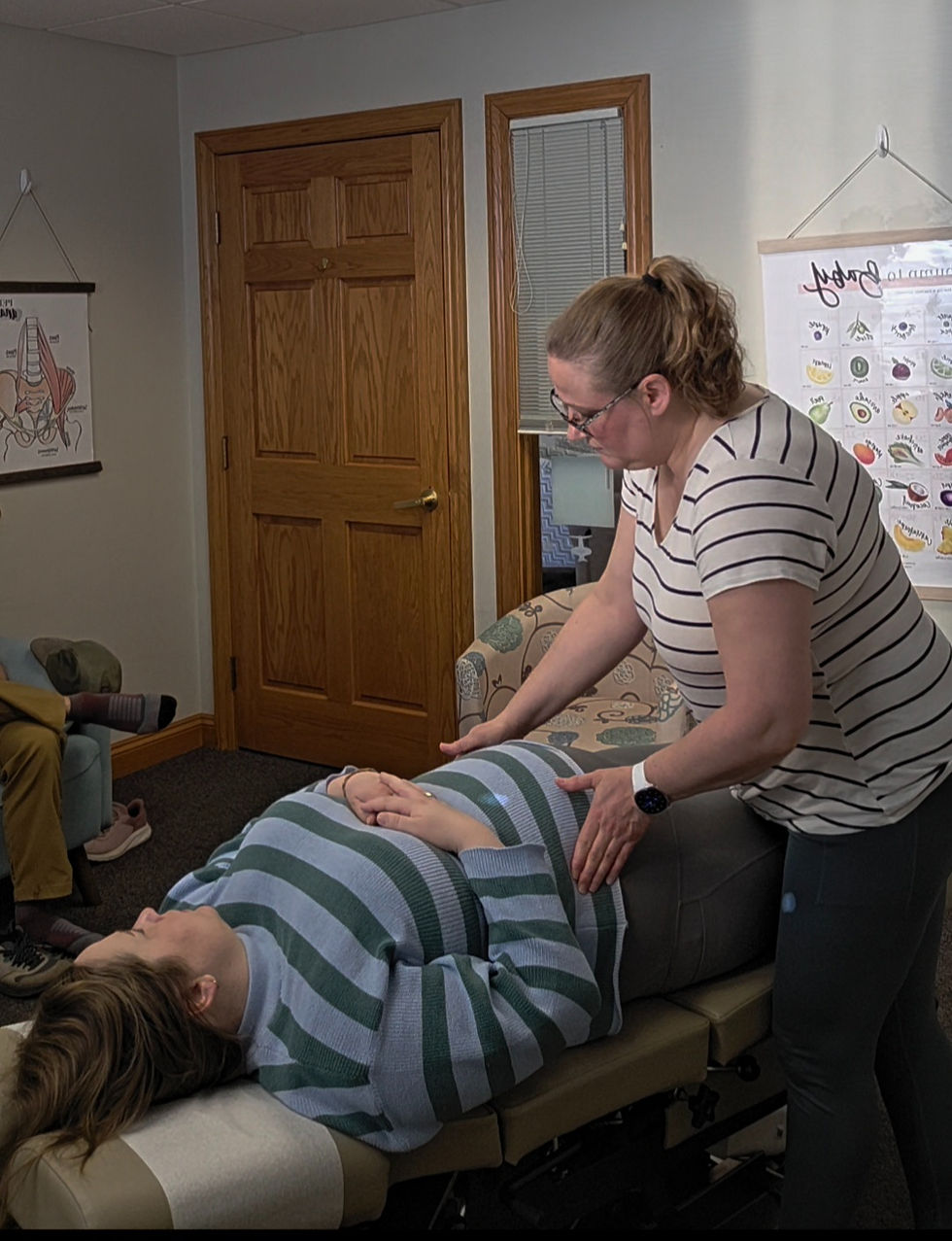
Chiropractic care looks at the body as a connected system. For a pregnant woman, that means paying attention to how your spine, pelvis, and the ligaments that support the uterus are adapting to your growing baby. Prenatal chiropractors focus on the unique needs of expectant moms by providing supportive, gentle care that does not rely on medication.
At Bump and Beyond Family Wellness in Two Rivers, Wisconsin, prenatal chiropractic care is a specialty. The clinic offers the Webster Technique, a chiropractic approach designed specifically for pregnancy, along with postpartum care, pediatric chiropractic, and services for the whole family. If you are curious whether chiropractic is a good fit, your chiropractor can talk through your symptoms and health history first.
Chiropractic pairs naturally with other drug-free habits. Many women see a chiropractor while also practicing prenatal yoga, getting regular massage, and using breathing techniques at home. Because chiropractic works with your posture and changing frame rather than masking symptoms, many moms feel comfortable adding it to their pregnancy routine.
Gentle Movement and Stretching Go a Long Way
Movement is one of the simplest natural pain relief tools available to pregnant women. Yoga, stretching, daily walks, and low-impact movement can help support posture and circulation. Even a short walk around the block can ease stiffness and give your mind a break.
Changing positions frequently also makes a difference. Sitting for long stretches can put extra pressure on your lower back, so try to stand, stretch, or take a few steps on a regular basis. During labor and late pregnancy, many women find comfort in movement such as swaying or rocking on an exercise ball.
If you are new to exercise, start slowly and pay attention to how your body responds. Your prenatal care provider can help you choose activities that match your fitness level and stage of pregnancy.
Breathing, Relaxation, and a Calm Atmosphere
Pain feels different when your body is tense. Relaxation techniques such as deep breathing, music therapy, and biofeedback can help you stay calm and cope with discomfort more easily. A soothing atmosphere matters too, so create a space that feels peaceful whether you are resting at home or preparing for labor.
Calming smells can support the same goal. Aromatherapy is often used to help moms relax, and music can shift your mood in an instant. Peppermint aromas, in particular, are sometimes used to help relieve tension headache pain.
These tools are simple enough for everyday use. A few slow breaths during a stressful moment or a favorite playlist during a difficult evening can give your nervous system a chance to settle.

Massage and Water Therapy for Soothing Comfort
Touch is powerful during pregnancy. Massage helps relieve tension in tired muscles and is a common comfort measure for expectant moms. Water therapy is another beloved option, offering gentle support while easing pressure on your joints and lower back.
Both massage and water therapy are frequently recommended as natural pain management options during labor, but many moms use them earlier in pregnancy as well. A warm bath at the end of the day or a few minutes of gentle massage on your lower back can make a noticeable difference in how you feel.
When receiving massage during pregnancy, let your massage therapist know your stage of pregnancy so they can adjust positioning and pressure accordingly.
Herbal and Topical Options Need Extra Caution
Natural does not always mean risk-free. Some plant-based remedies have a place in pregnancy comfort. Witch hazel can be applied topically to reduce inflammation and swelling, and red raspberry leaf is traditionally used to support uterine tone, milk production, and ease labor pains.
Still, caution is important. Many herbs are not safe during pregnancy, and many that are presumed to be safe have not been thoroughly tested. Herbal supplements are not subject to the same FDA evaluation process as other medications, so their quality and strength can vary widely.
Turmeric, ginger, St. John's wort, lemon balm, rose hips, and arnica are among the herbs that have a history of use in pregnant and nursing women, but general history does not replace personalized advice. Always check in with your prenatal provider before beginning any new treatment.

Build Your Personal Natural Pain Relief Plan
Every pregnancy is different, so your pain relief plan should match your body and your lifestyle. Start by noticing when discomfort is strongest and which activities make it better or worse. Then choose two or three drug-free strategies to try consistently.
A typical plan might include weekly prenatal chiropractic adjustments, daily stretching, and a warm bath before bed. Another mom might lean on walking, breathing exercises, and regular massage. The key is consistency, since natural methods often work best when practiced regularly rather than only at the moment pain peaks.
The table below summarizes common drug-free strategies and the ways they can support your changing body.
Strategy | How It Can Help |
Yoga and stretching | Support good posture and ease stress and pain in the back, pelvis, and ligaments |
Daily walks and low-impact movement | Support posture and circulation while relieving stiffness |
Deep breathing and relaxation | Calm the body and help you cope with discomfort |
Changing positions often | Reduce pressure and keep your body comfortable |
Massage | Ease muscle tension and provide natural comfort |
Water therapy | Relax the body and support pain management during pregnancy and labor |
Swaying or rocking on an exercise ball | Offer gentle movement that helps relieve pelvic and back pressure |
For families in Two Rivers and Manitowoc County, Bump and Beyond Family Wellness offers a welcoming space for moms seeking chiropractic care and community support. The clinic provides care for pregnancy, postpartum, babies, and the whole family, and its monthly Coffee + Sippy Cups meetups give local moms a chance to connect.
Frequently Asked Questions
What is the best natural pain relief for pregnancy?
The best approach uses prenatal chiropractic as a foundation for pregnancy comfort. Regular yoga and stretching can help your back, pelvis, and ligaments, while daily walks and low-impact movement support posture and circulation. Massage, water therapy, and breathing exercises are also helpful comfort measures. Because every pregnancy is different, talk with your prenatal provider before adding anything new.
What should I expect from prenatal chiropractic care?
A chiropractic visit focuses on your comfort and changing body. Bump and Beyond Family Wellness in Two Rivers, Wisconsin, offers prenatal chiropractic care and the Webster Technique, a chiropractic approach designed for pregnancy. Care is gentle and tailored to your needs, and the clinic also serves postpartum moms, babies, and the whole family. You can ask questions first and decide if chiropractic fits into your plan.
Can I use herbal remedies for pregnancy aches?
Some plant-based options are used during pregnancy, including witch hazel applied to the skin for swelling and peppermint oil for tension headaches. Red raspberry leaf is a traditional herb linked with uterine tone and milk production. Be cautious, though, because many herbs are not safe during pregnancy and most have not been thoroughly tested. Herbal supplements are also not subject to the same FDA evaluation process as medications, so always ask your prenatal provider first.
When should I talk to my care provider about pregnancy pain?
Check in with your prenatal provider before you begin any new treatment, including herbs, supplements, exercise routines, or chiropractic care. If pain is intense, keeps you from sleeping, or simply does not feel normal, mention it at your next appointment. Gentle practices like breathing and stretching are low-risk for most moms, but your provider knows your health history best and can guide your choices.


Comments